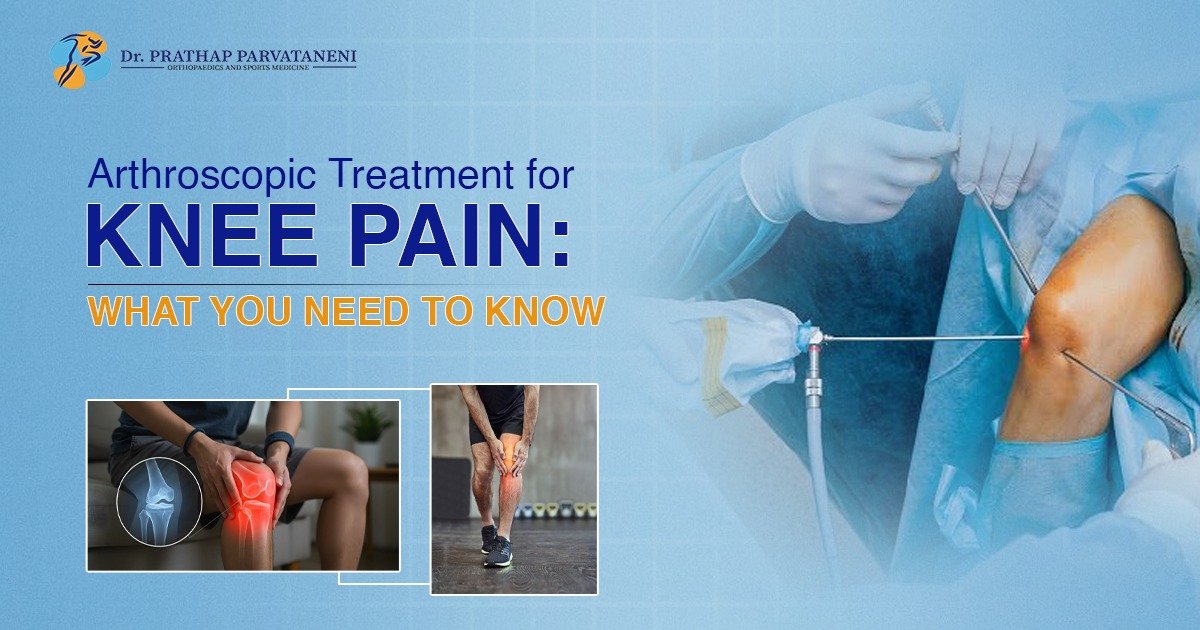
Knee pain was once considered a problem mostly associated with aging. Today, however, more young adults in their 20s and 30s are experiencing knee discomfort, stiffness, and even long-term joint issues. Orthopedic clinics are seeing a noticeable rise in younger patients seeking treatment for knee-related problems caused by lifestyle habits, sports injuries, poor posture, obesity, and prolonged sitting.
For many people, knee pain starts as a small discomfort during workouts, climbing stairs, or sitting for long hours. Over time, if ignored, it can affect mobility, physical activity, and overall quality of life.
Understanding why knee pain is becoming increasingly common among young adults can help people take preventive steps before the condition worsens.
Sedentary Lifestyle and Desk Jobs
One of the biggest contributors to knee pain today is a sedentary lifestyle. Many young professionals spend long hours working at desks with minimal physical movement throughout the day. Sitting for extended periods weakens the muscles that support the knees, especially the quadriceps and hamstrings.
Weak muscles reduce joint stability, placing additional pressure on the knees during daily activities such as walking, climbing stairs, or exercising. Poor sitting posture can also affect the alignment of the hips and spine, indirectly contributing to knee strain.
In cities like Hyderabad, where work-from-home culture and long commuting hours are common, orthopedic specialists are observing a rise in posture-related joint issues among younger adults.
Increase in Sports and Fitness Injuries
Fitness awareness has increased significantly over the last few years, which is a positive trend. However, many people begin intense workout routines without proper guidance or conditioning. Sudden high-impact activities such as running, weightlifting, football, badminton, or CrossFit can put excessive stress on the knees.
Improper warm-ups, incorrect exercise techniques, and overtraining are common causes of injuries such as:
- ACL tears
- Meniscus injuries
- Patellar tendonitis
- Runner’s knee
- Ligament strains
Young athletes and fitness enthusiasts often ignore early warning signs and continue training through pain, which can worsen the condition over time.
Obesity and Weight Gain
Excess body weight places continuous pressure on the knee joints. Even a small increase in weight can significantly increase stress on the cartilage and supporting structures of the knee.
Modern eating habits, reduced physical activity, stress, and irregular sleep patterns are contributing to obesity among younger populations. This not only increases the risk of knee pain but also accelerates wear and tear within the joints.
Orthopedic experts emphasize that maintaining a healthy weight is one of the most effective ways to reduce knee strain and prevent long-term complications.
Poor Posture and Muscle Imbalances
Another overlooked reason for knee pain is muscle imbalance. Tight hip muscles, weak glutes, and improper posture during walking or exercising can alter the body’s biomechanics.
For example, many young adults spend hours using smartphones or laptops in poor sitting positions. Over time, these habits affect movement patterns and joint alignment, increasing stress on the knees.
Flat feet, improper footwear, and lack of stretching can also contribute to knee discomfort.
Ignoring Early Symptoms
One of the major reasons knee conditions worsen in young adults is delayed medical attention. Many people assume knee pain is temporary and rely on painkillers or home remedies instead of identifying the root cause.
Common warning signs that should not be ignored include:
- Persistent knee pain lasting more than a few weeks
- Swelling or stiffness
- Clicking or popping sounds in the joint
- Difficulty climbing stairs
- Pain during workouts or walking
- Instability or weakness in the knee
Consulting an experienced orthopeadic doctor in hyderabad at an early stage can help diagnose the issue before it develops into a serious orthopedic condition.
The Role of Technology and Screen Time
Technology has undoubtedly made life easier, but it has also reduced physical movement. Many young adults spend several hours daily sitting with limited activity, leading to weaker muscles and poor joint mobility.
Lack of outdoor activity and reduced flexibility contribute to joint stiffness and reduced circulation. Over time, these factors can increase the risk of chronic knee problems even at a young age.
Preventing Knee Pain in Young Adults
The good news is that many knee-related problems can be prevented with lifestyle modifications and early care.
Some effective preventive measures include:
- Maintaining a healthy body weight
- Exercising regularly with proper form
- Strengthening leg and core muscles
- Taking breaks during long sitting hours
- Wearing proper footwear
- Stretching before and after workouts
- Avoiding overtraining and sudden intense exercise
- Seeking medical advice when symptoms persist
Early intervention is extremely important. Timely diagnosis and proper rehabilitation can prevent long-term damage and improve recovery outcomes.
Conclusion
Knee pain among young adults is becoming increasingly common due to changing lifestyles, reduced physical activity, fitness-related injuries, obesity, and poor posture habits. While occasional discomfort may seem harmless, persistent knee pain should never be ignored.
At Dr Prathap Orthocare, patients receive comprehensive orthopedic care focused on accurate diagnosis, advanced treatment options, and personalized recovery plans. Whether it is sports injuries, ligament problems, joint pain, or mobility concerns, the clinic focuses on helping patients regain strength and return to their active lifestyles safely.
If you are experiencing persistent knee discomfort or sports-related injuries, consulting an experienced orthopeadic doctor in hyderabad can help identify the underlying problem early and prevent future complications. Prioritizing joint health today can make a significant difference in maintaining an active and pain-free life tomorrow.