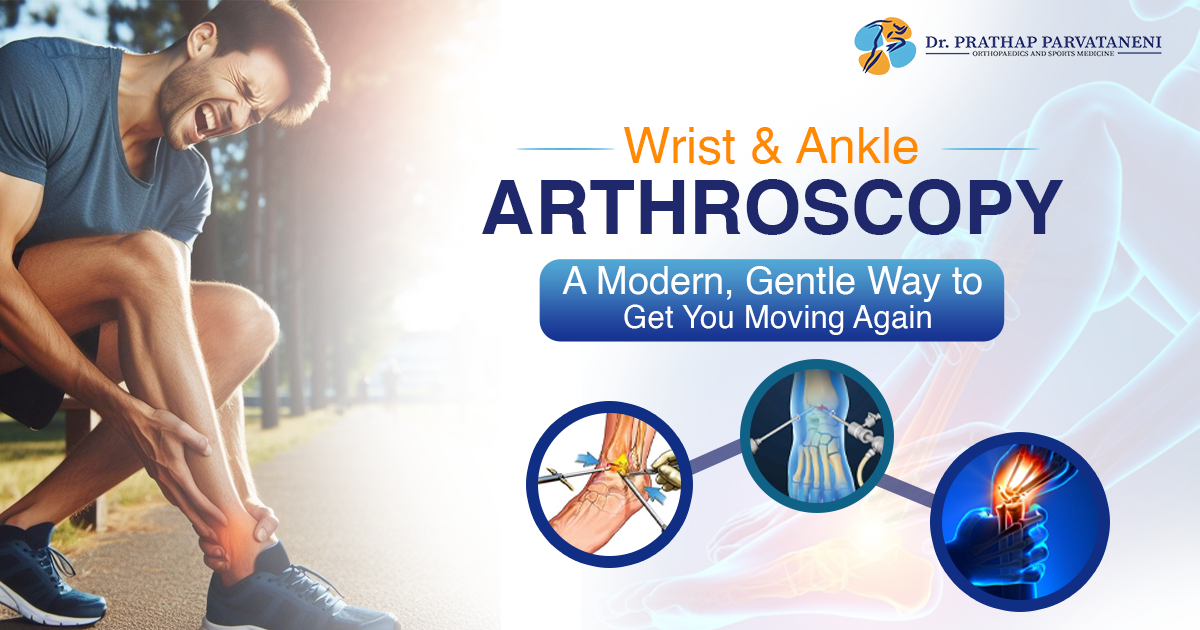
Joint pain has a way of interrupting life when you least expect it. A sore wrist that makes daily tasks difficult or an ankle pain that stops you from walking comfortably can slowly take away your independence and active routine. In the past, treating these problems often meant open surgery, long scars, and months of recovery.
Today, things are very different. Thanks to medical advancements, arthroscopy has become one of the most effective and minimally invasive ways to diagnose and treat wrist and ankle problems. If you have been living with ongoing joint pain, understanding this procedure could be your first step toward relief.
What Is Arthroscopy and Why Is It So Effective?
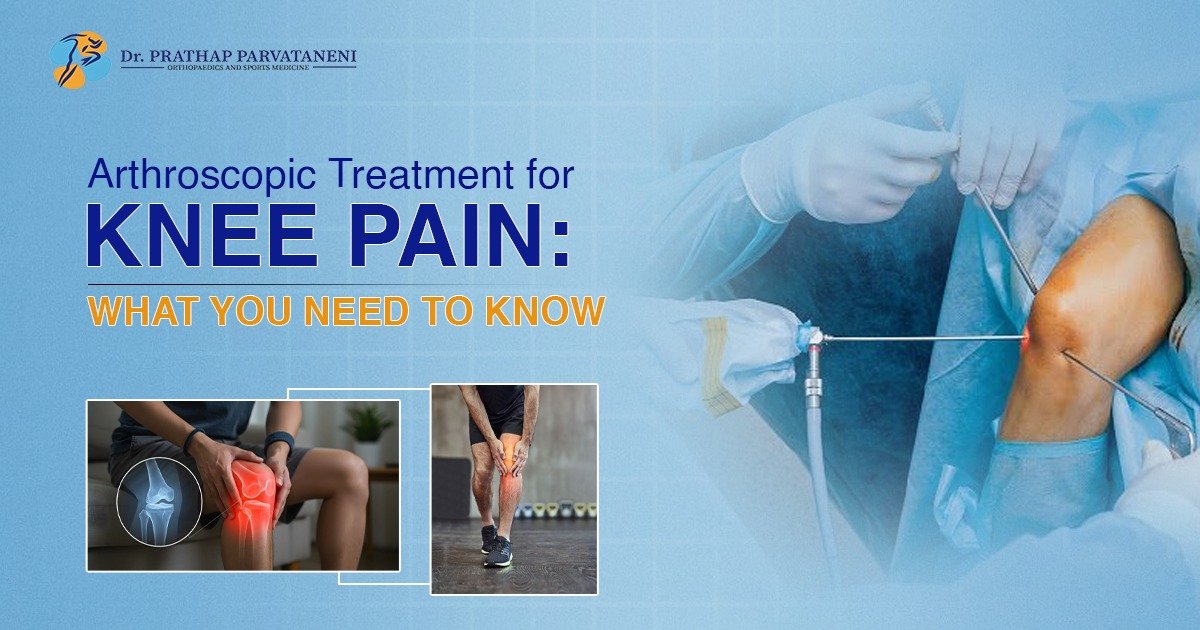
Arthroscopy is a modern surgical technique where doctors use a tiny camera to look inside the joint through very small incisions. This camera sends clear images to a screen, allowing the surgeon to identify and treat the exact problem without opening up the entire joint.
Because the approach is precise and gentle on surrounding tissues, patients often experience less pain and recover much faster compared to traditional surgery.
Conditions Commonly Treated with Wrist Arthroscopy
Wrist joints are small but complex, and even minor damage can cause significant discomfort. Arthroscopy is often recommended when rest, medication, or physiotherapy has not helped.
Some common wrist conditions include:
- TFCC tears, which cause pain on the little finger side of the wrist
- Carpal tunnel syndrome, where pressure on the nerve leads to numbness and tingling
- Ganglion cysts, which can be removed from the root to reduce recurrence
- Ligament injuries, such as scapholunate ligament tears that affect wrist stability
Conditions Treated with Ankle Arthroscopy
Ankle pain is common among athletes and active individuals, but it can affect anyone. Arthroscopy helps treat many ankle problems with minimal downtime.
These include:
- Ankle impingement, where tissue or bone restricts movement
- Cartilage damage, also known as OCD lesions
- Loose bone or cartilage fragments inside the joint
- Chronic ankle instability caused by repeated sprains
What Happens During the Procedure?
During arthroscopy, the surgeon makes very small incisions near the affected joint. A thin camera is inserted through one opening, while fine surgical instruments are used through others to treat the problem.
Because the incisions are tiny, there is less disruption to muscles and tissues. Many arthroscopic procedures are done as day-care surgeries, allowing patients to return home the same day.
New Advances Making Arthroscopy Even Better
Orthopedic care continues to evolve. High-definition imaging now gives surgeons extremely clear views of the joint. Another exciting development is needle or nano arthroscopy, which uses ultra-thin cameras and in some cases can be performed under local anesthesia.
These innovations mean even less pain, quicker recovery, and highly accurate treatment.
Why Arthroscopy Is Preferred Over Open Surgery
Patients often choose arthroscopy because of its many benefits:
- Less pain after surgery
- Faster healing and return to daily activities
- Minimal scarring
- Lower risk of infection
- Shorter hospital stays
For many patients, this means getting back to work, sports, or normal routines much sooner.
Recovery and Rehabilitation
Although recovery is faster, proper healing still takes time. After surgery, your wrist or ankle may be supported with a splint or boot. Swelling is common initially and improves with rest, elevation, and ice.
Physiotherapy is a crucial part of recovery. Guided exercises help restore movement, strength, and stability. Recovery timelines vary. Simple procedures may heal within weeks, while ligament repairs may take a few months for full activity.
Taking the Next Step Toward a Pain-Free Life
Living with constant wrist or ankle pain is not something you have to accept anymore. Arthroscopy offers a safe, effective, and less invasive solution for many joint problems when conservative treatments fail.
Choosing the right orthopedic specialist makes all the difference. Dr. Prathap Ortho Care is dedicated to providing advanced arthroscopic treatments with a strong focus on patient comfort and long-term recovery. With modern techniques and personalized rehabilitation plans, Dr. Prathap and the team are committed to helping you regain movement, confidence, and an active lifestyle.
If joint pain is holding you back, expert care and modern solutions are closer than you think.