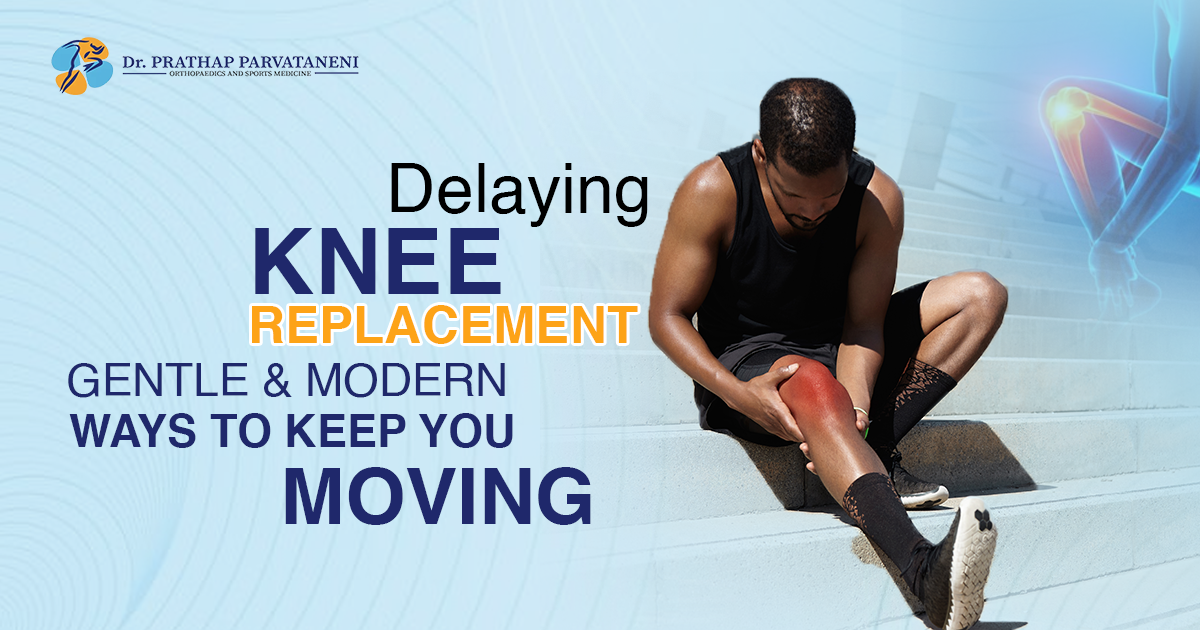
Delaying Knee Replacement: Gentle, Modern Ways to Keep You Moving 

Knee replacement

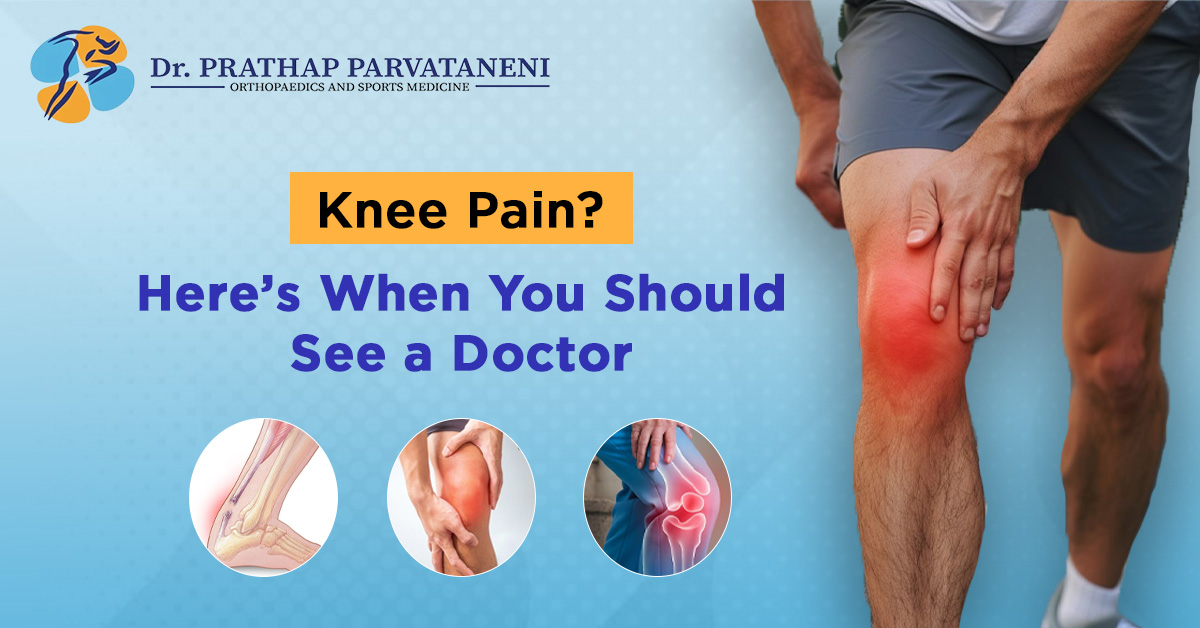
Living with knee pain can slowly change the way you live your life. Things you once did without thinking, like walking in the morning, climbing stairs, or standing up from a chair, suddenly require effort and caution. For many people, this pain comes with a diagnosis of osteoarthritis, followed by a worrying thought: Is knee replacement my only option? 

The good news is, it usually isn’t. Today’s orthopedic care focuses more on preserving your natural joint rather than rushing into major surgery. With modern, minimally invasive treatments, many patients are able to reduce pain, improve movement, and delay knee replacement for years. 

Why Does Knee Pain Happen? 

The most common cause of long-term knee pain is osteoarthritis. This happens when the smooth cartilage that cushions your knee gradually wears away. Without that cushion, the bones begin to rub against each other, leading to pain, stiffness, swelling, and reduced mobility. 

Age plays a role, but so do previous injuries, body weight, and genetics. As the pain increases, people often move less, which weakens the muscles around the knee and makes stiffness even worse. It becomes a frustrating cycle. 

Minimally Invasive Treatments That Can Delay Surgery 

Medical advances now offer several effective ways to manage knee pain without immediate replacement surgery. These treatments aim to reduce inflammation, improve joint movement, and protect what remains of your natural cartilage. 

Viscosupplementation (Lubrication Injections) 

A healthy knee contains a natural lubricant called hyaluronic acid that helps the joint move smoothly. In arthritic knees, this fluid becomes thinner and less effective. 

Viscosupplementation involves injecting hyaluronic acid directly into the knee. This improves lubrication, reduces friction, and helps absorb shock while walking or standing. The procedure is quick, usually done in the clinic, and many patients experience pain relief for several months. 

Platelet-Rich Plasma (PRP) Therapy 

PRP therapy uses your body’s own healing ability to reduce pain and inflammation. A small amount of your blood is drawn and processed to concentrate platelets, which are rich in growth factors. 

These platelets are then injected into the knee, where they help calm inflammation and support tissue healing. Because PRP comes from your own blood, it is safe and well-tolerated by most patients. Many people notice gradual improvement in pain and function over time. 

Arthroscopic Knee Procedures 

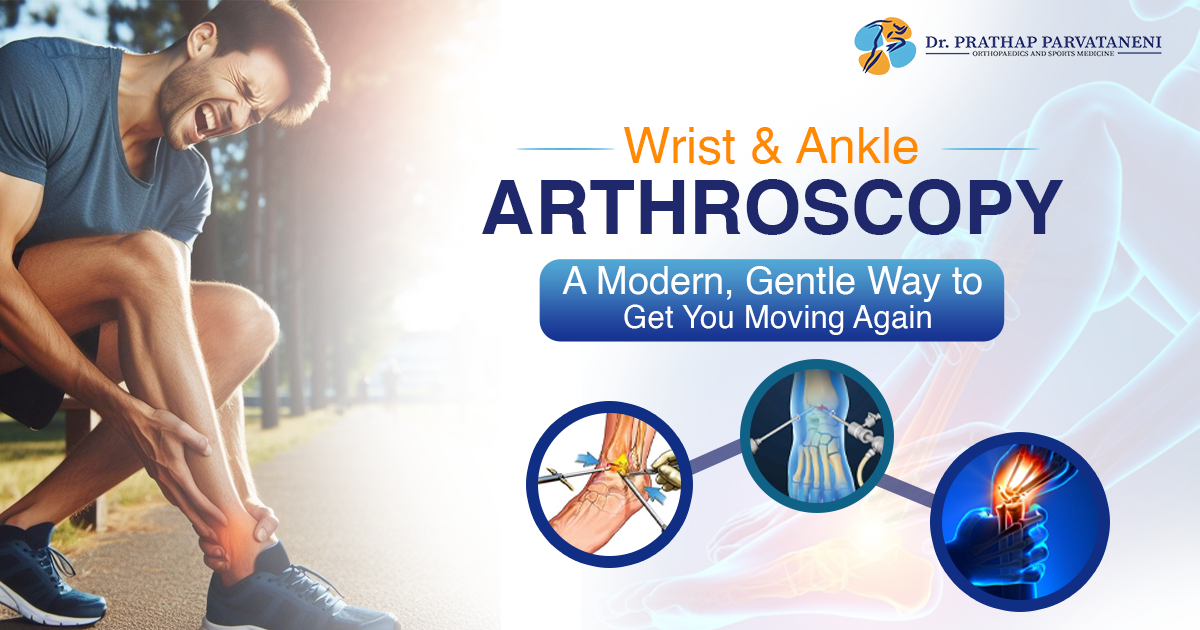
Sometimes, knee pain is caused by specific mechanical problems like a torn meniscus, rough cartilage, or loose fragments inside the joint. In these cases, arthroscopy can be helpful. 

This minimally invasive procedure uses a tiny camera inserted through small incisions to see and treat problems inside the knee. Recovery is much faster than traditional surgery, and for the right patient, it can significantly extend the life of the natural knee joint. 

Why Delaying Knee Replacement Can Be a Smart Choice 

Trying conservative treatments before knee replacement has several advantages: 

  • Lower risk compared to major surgery 
  • Faster recovery with minimal downtime 
  • Ability to stay active without long rehabilitation periods 
  • Opportunity to benefit from future advancements in knee replacement technology 

For many patients, delaying surgery by even a few years can make a big difference in quality of life. 

Small Lifestyle Changes Make a Big Impact 

Medical treatment works best when combined with healthy habits. Maintaining a healthy weight is one of the most effective ways to reduce knee stress. Even losing a small amount of weight can significantly reduce pressure on the joint. 

Low-impact exercises such as swimming, cycling, and guided physiotherapy help strengthen muscles and support the knee. Eating a balanced, anti-inflammatory diet rich in fruits, vegetables, and healthy fats can also help control swelling and pain. 

Take the Next Step with Dr. Prathap’s Ortho Care 

Choosing the right treatment for knee pain is a personal decision and should never feel rushed. At Dr. Prathap’s Ortho Care, the focus is always on understanding your lifestyle, your pain, and your goals. 

With access to advanced minimally invasive techniques and regenerative therapies, Dr. Prathap and the team work toward preserving your natural knee for as long as possible. Their goal is simple: help you move comfortably, confidently, and pain-free. 

If knee pain is slowing you down, you don’t have to face it alone. A consultation with Dr. Prathap’s Ortho Care could be the first step toward getting back to the life you enjoy. 
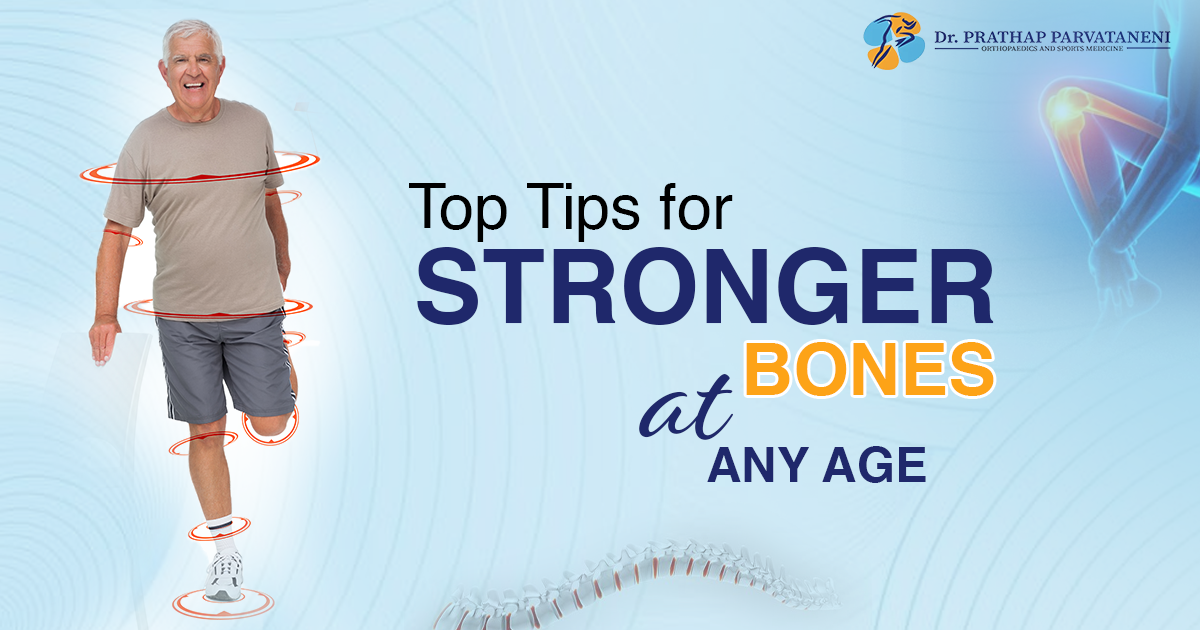
Maintaining strong and healthy bones is essential for mobility, balance, and overall quality of life. As we age, the risk of bone-related conditions such as osteoporosis increases, making bone health a critical concern. While factors like genetics, physical activity, and nutrition are well-known contributors to bone strength, one often overlooked aspect is weight management. Your body weight—whether too low or too high—can significantly affect your skeletal system. In this article, we explore the impact of weight management on bone health and practical strategies to protect your bones for the long term.  

Understanding Bone Health  

Bones are living tissue that continuously rebuilds and remodels itself throughout life. Peak bone mass is typically achieved in your 20s, after which bone breakdown gradually begins to outpace bone formation. The rate of this decline can be influenced by lifestyle factors, including physical activity, diet, and body weight. Poor bone health can lead to conditions such as osteoporosis, fractures, and reduced mobility.  

How Excess Weight Affects Bones  

Being overweight or obese was once thought to protect against bone loss due to increased bone density from carrying extra body weight. However, recent research shows that excess weight—particularly in the form of visceral fat—may harm bones over time. 

1. Increased Joint Stress 

Extra weight puts mechanical stress on weight-bearing joints such as the knees, hips, and spine. This can accelerate the breakdown of cartilage and lead to joint disorders like osteoarthritis. Though osteoarthritis primarily affects joints rather than bones, it still contributes to reduced mobility, which can indirectly affect bone strength through decreased activity.  

2. Inflammation and Hormonal Effects 

Fat tissue, especially abdominal fat, produces inflammatory cytokines that may disrupt the balance between bone formation and resorption. Chronic inflammation has been linked to lower bone density and increased fracture risk. Additionally, obesity can alter hormone levels—such as estrogen and leptin—that play important roles in bone remodeling.  

3. Risk of Falls 

Carrying excess weight can impair balance, coordination, and mobility, all of which increase the risk of falls. Falls are one of the leading causes of fractures, especially in older adults. 

How Low Body Weight Affects Bone Health  

Just as being overweight poses risks, being underweight can also be harmful to bones. Low body weight is a well-documented risk factor for osteoporosis and fractures.  

  1. Lower Bone Density 

People with low body mass index (BMI) tend to have lower bone mineral density (BMD), making their bones more fragile and prone to fractures.  

  1. Nutrient Deficiencies 

Underweight individuals may not consume enough calories or nutrients, including calcium and vitamin D, which are essential for bone growth and maintenance.  

  1. Hormonal Imbalance 

Severely low body weight can lead to disruptions in sex hormones like estrogen and testosterone, both of which are crucial for bone health. In women, this can result in amenorrhea (absence of menstruation), which is strongly associated with bone loss. 

Finding the Right Balance 

The key to protecting bone health is maintaining a healthy weight—not too high, and not too low. Here are some ways to support both weight management and bone health: 

1. Balanced Nutrition 
  • Ensure adequate intake of calcium (found in dairy products, leafy greens, fortified foods) and vitamin D (from sunlight, fatty fish, fortified milk). 
  • Include protein to support muscle and bone mass. 
  • Limit processed foods and excess sugar, which can promote inflammation. 
2. Regular Exercise 
  • Weight-bearing exercises (like walking, jogging, or dancing) stimulate bone formation. 
  • Strength training increases muscle mass, supports joints, and improves balance. 
  • Avoid sedentary habits, which can contribute to both weight gain and bone loss. 
3. Monitor Your Weight 
  • Regular check-ups with your physician or orthopedic doctor can help track your weight and assess bone health, especially if you have a history of fractures or risk factors for osteoporosis. 
4. Avoid Smoking and Limit Alcohol 
  • Both smoking and excessive alcohol consumption are linked to lower bone density and increased fracture risk. 


Conclusion 

Weight management is more than just a matter of appearance or cardiovascular health—it plays a vital role in maintaining strong and resilient bones. Both excessive weight and being underweight can negatively affect bone density and increase the risk of injury. By adopting a balanced lifestyle that includes proper nutrition, regular physical activity, and routine medical check-ups, individuals can support optimal bone health throughout their lives. If you’re concerned about your bone strength or body weight, consulting with an orthopedic doctor or a specialist in bone metabolism can provide personalized strategies to maintain lifelong skeletal health.