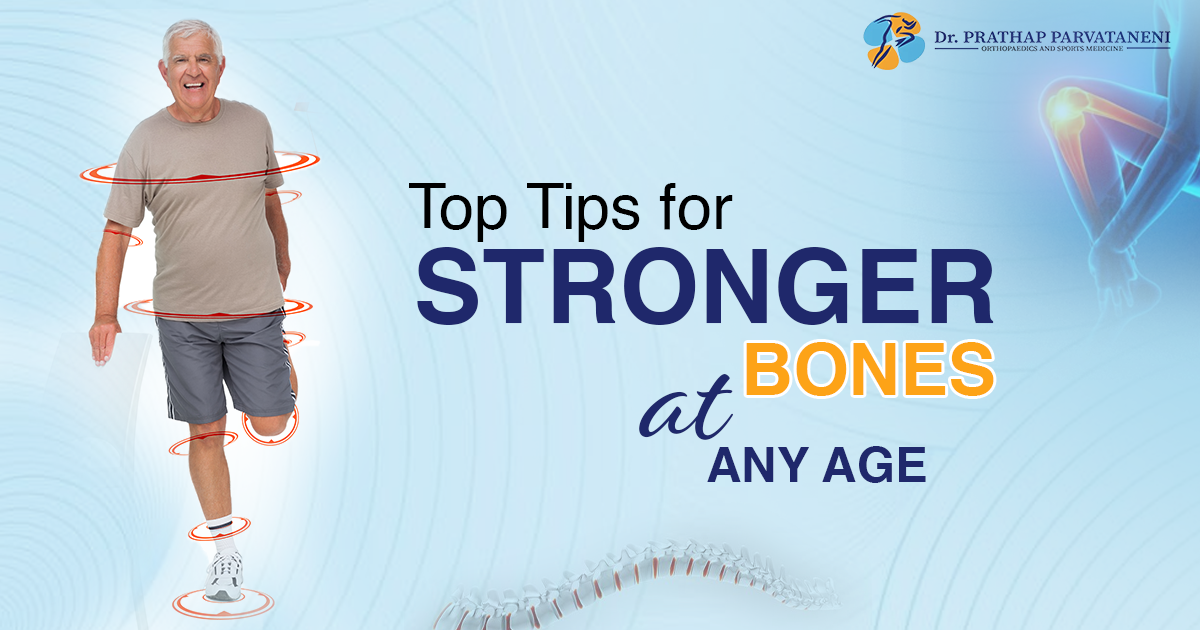
Most of us rarely think about our bones. They quietly support us every single day, helping us walk, work, exercise, and live our lives without effort. It is only when something goes wrong, like a sudden fracture after a small fall or an unexpected diagnosis during a routine checkup, that bone health becomes a priority.
The truth is, bone strength does not disappear overnight. It gradually declines over the years. The good news? You have more control than you think, and it is never too early or too late to start taking care of your bones.
It’s Not Just About Calcium
When we talk about bone health, calcium is usually the first thing that comes to mind. While it is essential, your bones need much more than that.
Vitamin D helps your body absorb calcium properly, and many people are unknowingly deficient, especially those who spend most of their time indoors. Nutrients like magnesium, Vitamin K2, phosphorus, and zinc also play important roles in keeping bones strong.
Here are some simple ways to support your nutrition:
- Add leafy greens, nuts, seeds, legumes, and fatty fish like salmon to your meals
- Get 15 to 20 minutes of sunlight daily to boost Vitamin D naturally
- Avoid excessive caffeine, alcohol, and high-salt foods that can weaken bones over time
- Speak to your doctor about supplements if your diet is not meeting your needs
Small, consistent dietary changes can make a big difference in the long run.
Move More, But Move Smart
Your bones grow stronger when you use them. Exercise puts healthy stress on bones, which stimulates them to rebuild and maintain density.
Weight-bearing activities are especially helpful. These include walking, strength training, climbing stairs, and even dancing. Strength training, in particular, is now recommended for people of all ages, including older adults.
If you are younger and healthy, higher-impact activities like jogging or skipping can boost bone strength. If you already have joint pain or bone concerns, low-impact exercises such as resistance training or guided physiotherapy are safer and still very effective.
The key is consistency. Thirty minutes of activity most days of the week is far more beneficial than intense workouts done occasionally.
Everyday Habits That Protect Your Bones
Beyond food and exercise, your daily habits play a powerful role in bone health.
- Quit smoking. Smoking weakens bones and interferes with calcium absorption.
- Limit alcohol. Excessive drinking reduces bone formation and increases fall risk.
- Prioritize sleep. Bone repair and remodeling happen while you sleep. Poor sleep can disrupt this process.
- Avoid prolonged sitting. Sitting for long hours weakens muscles and reduces the stimulation bones need to stay strong. Even short walks throughout the day help.
- Review long-term medications. Some medicines, like corticosteroids, can affect bone density. Always discuss potential risks with your doctor.
These changes may seem small, but over years, they significantly influence bone strength.
Know Your Risk — Act Early
Bone loss is often silent. Conditions like osteoporosis usually show no warning signs until a fracture occurs. Risk factors include aging, hormonal changes, low body weight, and a family history of weak bones.
A bone density scan, also called a DEXA scan, is a simple and painless test that measures your bone strength. Early detection allows early action, which can prevent serious complications later.
Build a Bone Health Plan With Expert Guidance
Understanding bone health is one step. Creating a plan that fits your age, lifestyle, and medical history is another.
At Dr. Prathap Ortho Care, bone health is treated with the attention it deserves. Whether you are looking to prevent bone loss, recover after a fracture, or understand your osteoporosis risk, you receive personalized and evidence-based guidance tailored to your needs.
From nutritional advice and exercise recommendations to diagnostic assessments and treatment plans, the focus is always on long-term strength and mobility.