If you love playing sports or staying active, a small injury can feel incredibly frustrating. One minute you are enjoying your game or workout, and the next you are dealing with pain, swelling, or limited movement.
Sports injuries are more common than many people think. Whether you are a professional athlete, a weekend cricket player, or someone who enjoys morning jogs, injuries can happen to anyone. Every year, millions of people seek medical care for sports-related problems. Many others try to ignore the pain and “push through it,” which often makes things worse.
The good news is this: early care makes a big difference. Getting the right treatment at the right time can mean recovering in weeks instead of months.
Let’s break down the most common sports injuries and how to recognize when your body is asking for help.
Common Types of Sports Injuries
Sprains
A sprain happens when ligaments, the strong tissues that connect bones at a joint, are stretched or torn. Ankle and knee sprains are especially common, often caused by sudden twists, awkward landings, or quick changes in direction.
You might notice swelling, pain, or difficulty putting weight on the joint. While some sprains are mild, others can involve a complete tear and need proper medical attention.
Fractures
Fractures, or broken bones, can happen from a sudden impact such as a fall or collision. But not all fractures are dramatic. Stress fractures develop slowly due to repetitive strain, especially in runners or those who increase training too quickly.
They often start as a dull ache that becomes worse with activity and improves slightly with rest.
Strains
Strains are often confused with sprains, but they affect muscles or tendons instead of ligaments. Hamstring strains are common in runners and athletes who push hard without warming up properly.
Symptoms may include sharp pain, muscle tightness, weakness, or trouble moving the affected area. Even a small strain can worsen if you continue activity without rest.
Warning Signs You Should Not Ignore
It is normal to feel mild soreness after exercise. But certain symptoms are your body’s way of telling you something is wrong.
Watch out for:
- Swelling or bruising around a joint
- Difficulty bending, rotating, or moving normally
- Sharp or persistent pain that does not improve with rest
- A popping sound at the time of injury
- Feeling like your joint is unstable or giving way
If pain lingers, worsens, or limits your movement, it is time to take it seriously.
How to Prevent Sports Injuries
The best injury is the one that never happens. Small habits can make a big difference.
Warm up properly.
Spend 10 to 15 minutes preparing your body. Dynamic movements like leg swings and arm rotations improve flexibility and circulation far better than jumping straight into intense activity.
Use proper equipment.
Worn-out shoes are a common cause of ankle and knee problems. Make sure your gear fits well and supports your sport.
Increase intensity gradually.
Doing too much too soon is one of the biggest causes of injury. Let your body adapt slowly to new routines.
Build strength and stability.
Strong muscles protect your joints. Focus on strengthening your core, hips, and ankles to reduce strain.
Many athletes today also use wearable fitness devices to monitor recovery, sleep, and heart rate. These tools can help detect early signs of overtraining before an injury develops.
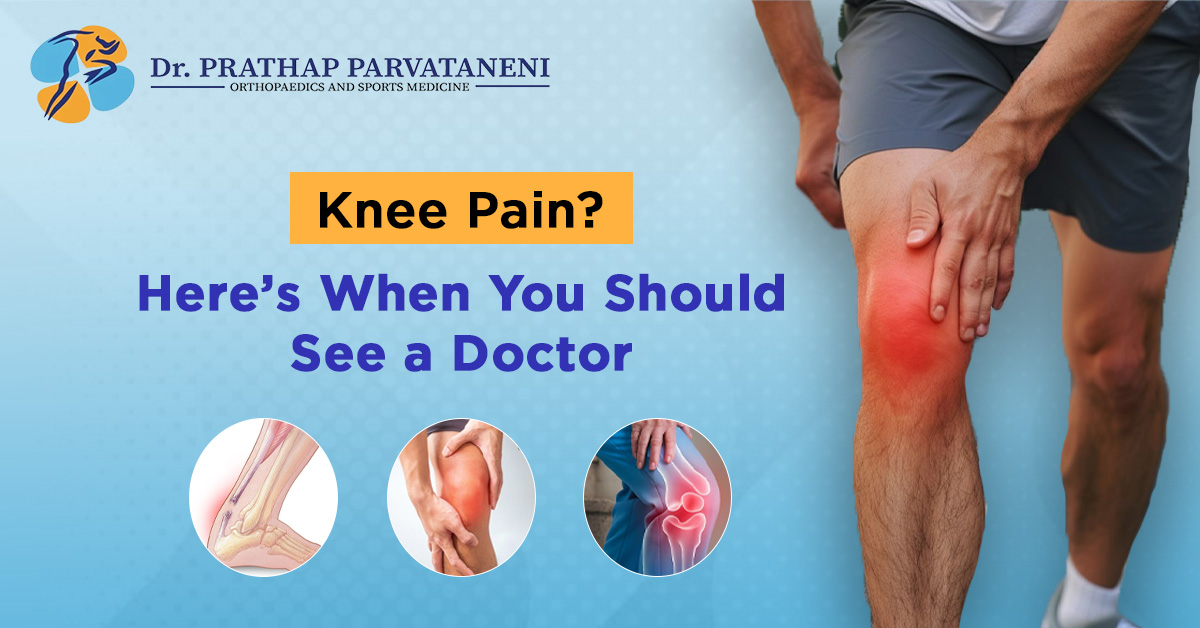
When Should You See a Doctor?
Rest and ice can help minor injuries. But some situations need expert care.
You should see an orthopedic specialist if you experience:
- Pain that prevents you from walking or moving normally
- Severe swelling or visible deformity
- Numbness or tingling
- Symptoms that do not improve after two to three days
- A recurring injury in the same area
- Any injury involving the head, neck, or spine
Delaying treatment for serious injuries like fractures or ligament tears can lead to long-term joint problems and longer recovery times. When in doubt, it is always better to get evaluated.
Recover Smart and Stay Active Longer
An injury does not just affect your current routine. It can impact your long-term joint health if not treated properly. Following a structured recovery plan, doing rehabilitation exercises, and returning to activity gradually are key to healing fully.
At Dr. Prathap Ortho Care, the focus is not just on treating the injury, but on helping you return stronger and more confident. With personalized care and evidence-based treatment, you receive the support needed to recover safely and prevent future problems.
If you are dealing with persistent pain or a sports injury that is not improving, do not ignore it. The sooner you seek expert guidance, the sooner you can get back to doing what you love.