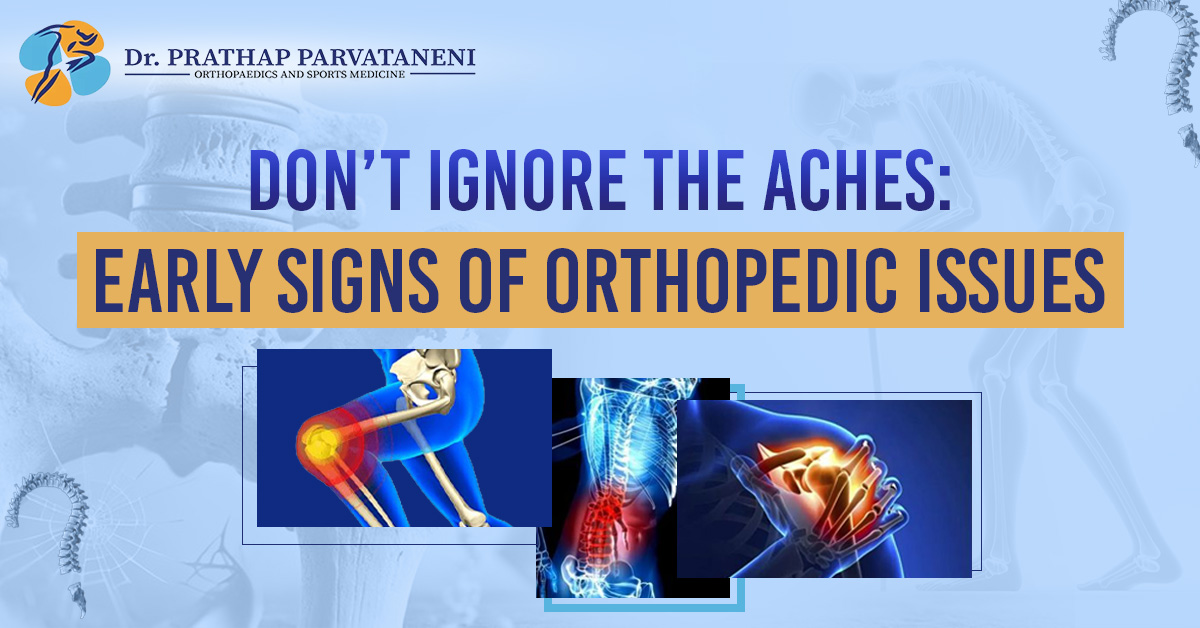
Don’t Ignore the Aches: Early Signs of Orthopedic Issues 

Early orthopeadic signs

It often begins quietly. 

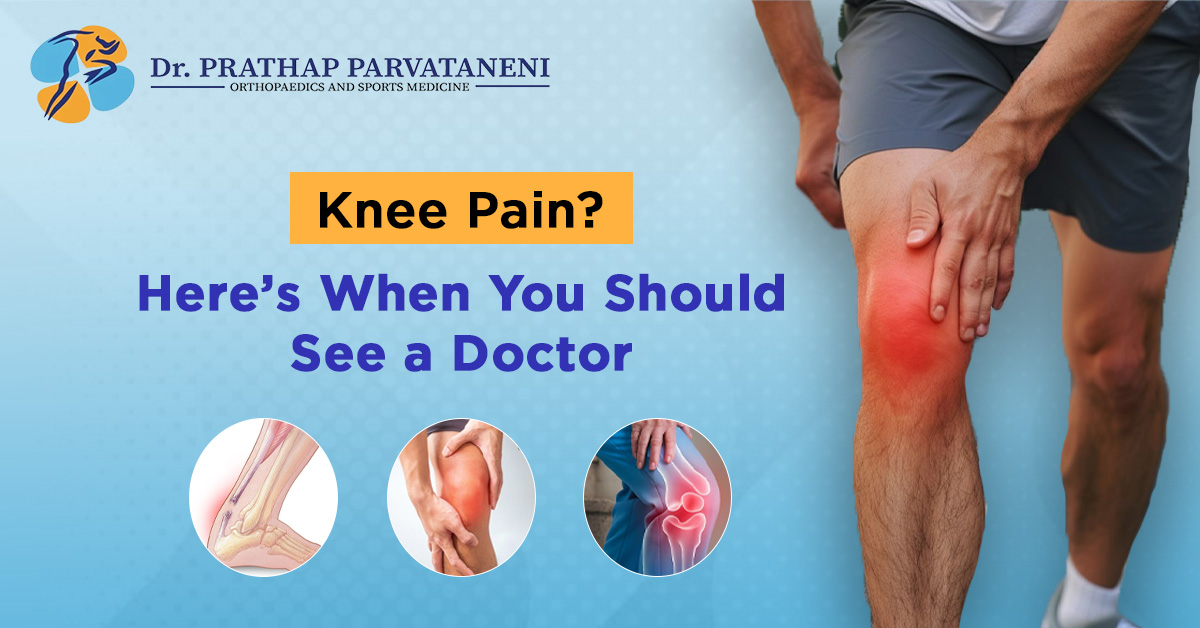
A slight twinge in your knee when climbing stairs. 
A dull ache in your lower back after a long day at work. 
Some stiffness in the morning that takes a while to ease. 

Most of us brush these off. We tell ourselves it’s nothing serious or just a part of getting older. But in many cases, your body is trying to send you an early warning. 

Orthopedic problems are far more common than we think. They do not affect only senior citizens or professional athletes. Office workers, students, homemakers, and people who exercise occasionally can all develop bone, joint, or muscle issues. Ignoring the early signs can slowly turn a manageable problem into chronic pain or limited movement. 

Understanding what your body is telling you is the first step toward staying active and pain-free. 

Common Orthopedic Problems to Be Aware Of 

The musculoskeletal system is complex, but certain conditions appear more frequently in everyday life. 

Arthritis 

Arthritis is one of the most common orthopedic conditions. Osteoarthritis, caused by wear and tear of the joints, develops when the protective cartilage between bones starts breaking down. This often leads to pain, stiffness, and difficulty with daily activities. 

Chronic Back Pain 

Back pain is one of the leading reasons people miss work or reduce physical activity. It may result from muscle strain, poor posture, disc problems, or long hours of sitting without proper support. 

Sports Injuries and Accidental Trauma 

You do not need to be a professional athlete to get injured. Simple activities like playing badminton, running, or even slipping on wet floors can cause sprains, ligament tears, fractures, or muscle injuries. 

How Modern Lifestyles Are Affecting Our Joints 

The way we live today has changed the type of orthopedic problems doctors see. 

Tech Neck 
Spending long hours looking down at mobile phones or laptops puts constant strain on the neck. Over time, this can cause neck pain, stiffness, and frequent headaches. 

Repetitive Strain Injuries 
Continuous typing, scrolling, or gaming can irritate tendons in the wrist, thumb, and forearm. These injuries often start as mild discomfort but worsen if ignored. 

The Weekend Warrior Problem 
Many people remain inactive during the week and suddenly engage in intense physical activity on weekends. Without proper conditioning or warm-up, this can lead to injuries such as shoulder pain, Achilles tendon problems, or knee strain. 

Early Warning Signs You Should Not Ignore 

Pain is an obvious signal, but it is not the only one. Pay attention to these early symptoms. 

  • Morning stiffness that lasts more than 30 minutes may indicate joint inflammation. 
  • Reduced movement, such as difficulty raising your arm or turning your neck, suggests joint or muscle restriction. 
  • Swelling or redness around a joint can point to internal inflammation, even if pain is mild. 
  • Numbness or tingling in the hands or legs may be linked to nerve compression from spinal issues. 
  • Joint instability, where the knee or ankle feels like it might give way, often signals ligament weakness. 

Why Early Diagnosis Makes a Big Difference 

Many people try to push through pain, hoping it will disappear on its own. Unfortunately, this approach often makes things worse. 

When orthopedic conditions are identified early, treatment is usually simpler and less invasive. Physical therapy, medications, posture correction, or small lifestyle changes can often resolve the problem. Delaying treatment may lead to worsening damage, longer recovery time, or even surgery. 

Listening to your body early can save you from years of discomfort. 

Simple Tips to Protect Your Bones and Joints 

A few daily habits can go a long way in maintaining orthopedic health. 

  • Move and stretch regularly, especially if you sit for long hours 
  • Maintain a healthy weight to reduce stress on your knees and hips 
  • Set up your workspace to support good posture 
  • Wear footwear with proper cushioning and arch support 
  • Stay well hydrated to keep joints and soft tissues healthy 

Take the Right Step for Your Health 

Your bones, joints, and muscles support every movement you make. Taking care of them means protecting your independence, mobility, and quality of life. 

If you are experiencing ongoing pain, stiffness, or any warning signs mentioned above, it is important not to delay professional care. Early evaluation can make all the difference. 

For expert diagnosis, treatment, and rehabilitation, Prathap Orthocare provides comprehensive orthopedic care tailored to your needs. Their experienced team focuses on helping you move better, recover faster, and return to an active, pain-free life. 

Your body speaks to you every day. Make sure you are listening 
Maintaining strong and healthy bones is essential for mobility, balance, and overall quality of life. As we age, the risk of bone-related conditions such as osteoporosis increases, making bone health a critical concern. While factors like genetics, physical activity, and nutrition are well-known contributors to bone strength, one often overlooked aspect is weight management. Your body weight—whether too low or too high—can significantly affect your skeletal system. In this article, we explore the impact of weight management on bone health and practical strategies to protect your bones for the long term.  

Understanding Bone Health  

Bones are living tissue that continuously rebuilds and remodels itself throughout life. Peak bone mass is typically achieved in your 20s, after which bone breakdown gradually begins to outpace bone formation. The rate of this decline can be influenced by lifestyle factors, including physical activity, diet, and body weight. Poor bone health can lead to conditions such as osteoporosis, fractures, and reduced mobility.  

How Excess Weight Affects Bones  

Being overweight or obese was once thought to protect against bone loss due to increased bone density from carrying extra body weight. However, recent research shows that excess weight—particularly in the form of visceral fat—may harm bones over time. 

1. Increased Joint Stress 

Extra weight puts mechanical stress on weight-bearing joints such as the knees, hips, and spine. This can accelerate the breakdown of cartilage and lead to joint disorders like osteoarthritis. Though osteoarthritis primarily affects joints rather than bones, it still contributes to reduced mobility, which can indirectly affect bone strength through decreased activity.  

2. Inflammation and Hormonal Effects 

Fat tissue, especially abdominal fat, produces inflammatory cytokines that may disrupt the balance between bone formation and resorption. Chronic inflammation has been linked to lower bone density and increased fracture risk. Additionally, obesity can alter hormone levels—such as estrogen and leptin—that play important roles in bone remodeling.  

3. Risk of Falls 

Carrying excess weight can impair balance, coordination, and mobility, all of which increase the risk of falls. Falls are one of the leading causes of fractures, especially in older adults. 

How Low Body Weight Affects Bone Health  

Just as being overweight poses risks, being underweight can also be harmful to bones. Low body weight is a well-documented risk factor for osteoporosis and fractures.  

  1. Lower Bone Density 

People with low body mass index (BMI) tend to have lower bone mineral density (BMD), making their bones more fragile and prone to fractures.  

  1. Nutrient Deficiencies 

Underweight individuals may not consume enough calories or nutrients, including calcium and vitamin D, which are essential for bone growth and maintenance.  

  1. Hormonal Imbalance 

Severely low body weight can lead to disruptions in sex hormones like estrogen and testosterone, both of which are crucial for bone health. In women, this can result in amenorrhea (absence of menstruation), which is strongly associated with bone loss. 

Finding the Right Balance 

The key to protecting bone health is maintaining a healthy weight—not too high, and not too low. Here are some ways to support both weight management and bone health: 

1. Balanced Nutrition 
  • Ensure adequate intake of calcium (found in dairy products, leafy greens, fortified foods) and vitamin D (from sunlight, fatty fish, fortified milk). 
  • Include protein to support muscle and bone mass. 
  • Limit processed foods and excess sugar, which can promote inflammation. 
2. Regular Exercise 
  • Weight-bearing exercises (like walking, jogging, or dancing) stimulate bone formation. 
  • Strength training increases muscle mass, supports joints, and improves balance. 
  • Avoid sedentary habits, which can contribute to both weight gain and bone loss. 
3. Monitor Your Weight 
  • Regular check-ups with your physician or orthopedic doctor can help track your weight and assess bone health, especially if you have a history of fractures or risk factors for osteoporosis. 
4. Avoid Smoking and Limit Alcohol 
  • Both smoking and excessive alcohol consumption are linked to lower bone density and increased fracture risk. 


Conclusion 

Weight management is more than just a matter of appearance or cardiovascular health—it plays a vital role in maintaining strong and resilient bones. Both excessive weight and being underweight can negatively affect bone density and increase the risk of injury. By adopting a balanced lifestyle that includes proper nutrition, regular physical activity, and routine medical check-ups, individuals can support optimal bone health throughout their lives. If you’re concerned about your bone strength or body weight, consulting with an orthopedic doctor or a specialist in bone metabolism can provide personalized strategies to maintain lifelong skeletal health.