Knee Pain vs. Arthritis: When Should You See a Specialist? 

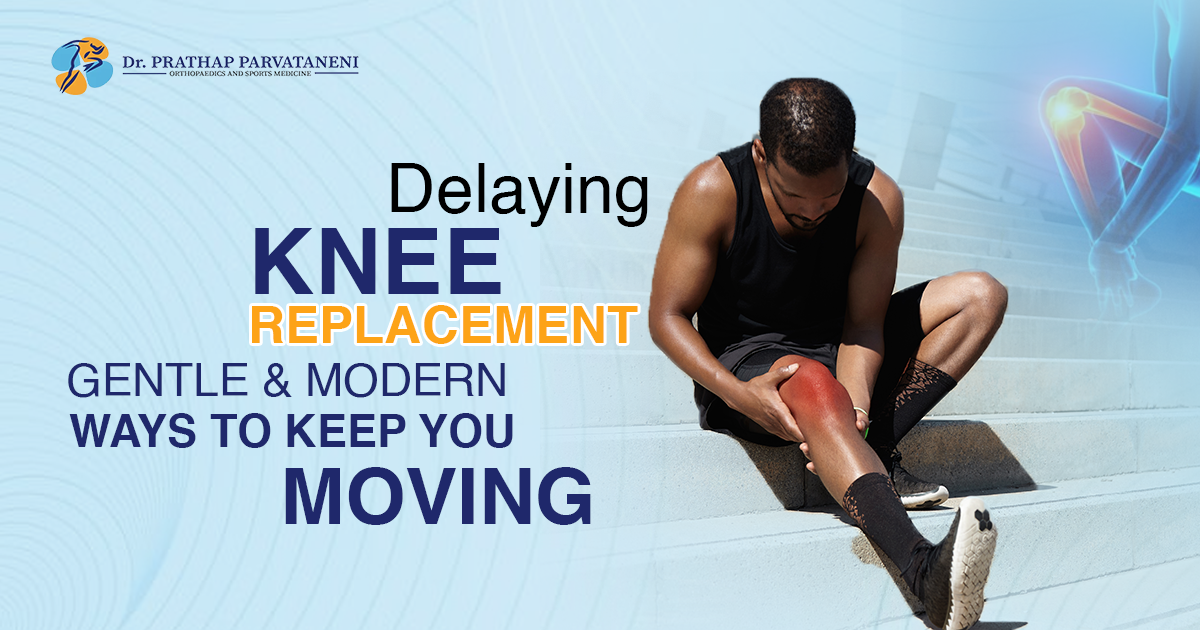
Knee discomfort is something millions of people struggle with every day. But figuring out whether your knee pain is just from a strain or the beginning of arthritis can be confusing. While around one in four adults experiences knee pain, arthritis also affects millions—often targeting the knee joint. Although both conditions can make walking, climbing stairs, or even sitting uncomfortable, they develop differently and require different types of care. 

What Is Knee Pain? 

Knee pain is a broad term and can happen to anyone, regardless of age or activity level. It can be caused by: 

  • Sudden injuries – like ligament tears, meniscus injuries, or fractures from sports or accidents. These often cause sharp, immediate pain and swelling. 
  • Overuse injuries – common in runners, cyclists, or anyone who performs repetitive movements. This might show up as dull pain that worsens with activity. 
  • Mechanical issues – like a misaligned kneecap or loose cartilage that can cause clicking, catching, or intermittent pain. 
  • Infection or inflammation – although rare, these can cause intense pain along with warmth, redness, or fever. 

What Is Arthritis? 

Arthritis simply means inflammation of the joint, and there are a few types that commonly affect the knee: 

  • Osteoarthritis – the most common type, caused by wear-and-tear of cartilage over time. It usually appears after age 50 but can start earlier after an injury. 
  • Rheumatoid arthritis – an autoimmune condition where the immune system attacks joints, often affecting both knees and other joints in the body. 
  • Post-traumatic arthritis – develops years after a significant knee injury, like a fracture or ligament tear. 

Symptoms often develop slowly and can include stiffness (especially in the morning), persistent ache, swelling, and reduced movement. 

How to Tell the Difference 

Here are some simple clues to help distinguish knee pain from arthritis: 

  • Sudden vs gradual: Injuries usually cause sudden pain; arthritis pain develops gradually. 
  • Morning stiffness: With arthritis, stiffness lasting 30+ minutes is common. 
  • Age: Knee pain can happen at any age; arthritis is more common after 45. 
  • Weather sensitivity: People with arthritis often feel worse in cold or damp weather. 
  • Joint changes: Arthritis may cause swelling or changes in joint shape over time. 

When Should You See a Specialist? 

Seek medical help right away if you experience: 

  • Severe pain after an injury 
  • Inability to bear weight or walk 
  • Visible deformity of the knee 
  • Signs of infection — fever, redness, warmth, and swelling 

Schedule a specialist visit if you notice: 

  • Pain lasting more than a few days 
  • Recurring knee problems 
  • Morning stiffness that doesn’t go away quickly 
  • Swelling that doesn’t improve with rest or ice 
  • Pain that interferes with your daily activities 

Treatment Options 

Treatment depends on the cause: 

For general knee pain, doctors may recommend: 

  • Rest, Ice, Compression, Elevation (RICE) 
  • Pain-relief medications 
  • Physical therapy and strengthening exercises 

For arthritis, the focus is on relieving pain and protecting the joint: 

  • Anti-inflammatory medications 
  • Weight management and low-impact exercises 
  • Joint injections 
  • Specialized physical therapy 
  • Regenerative treatments or surgery in advanced cases 

Protect Your Knee Health 

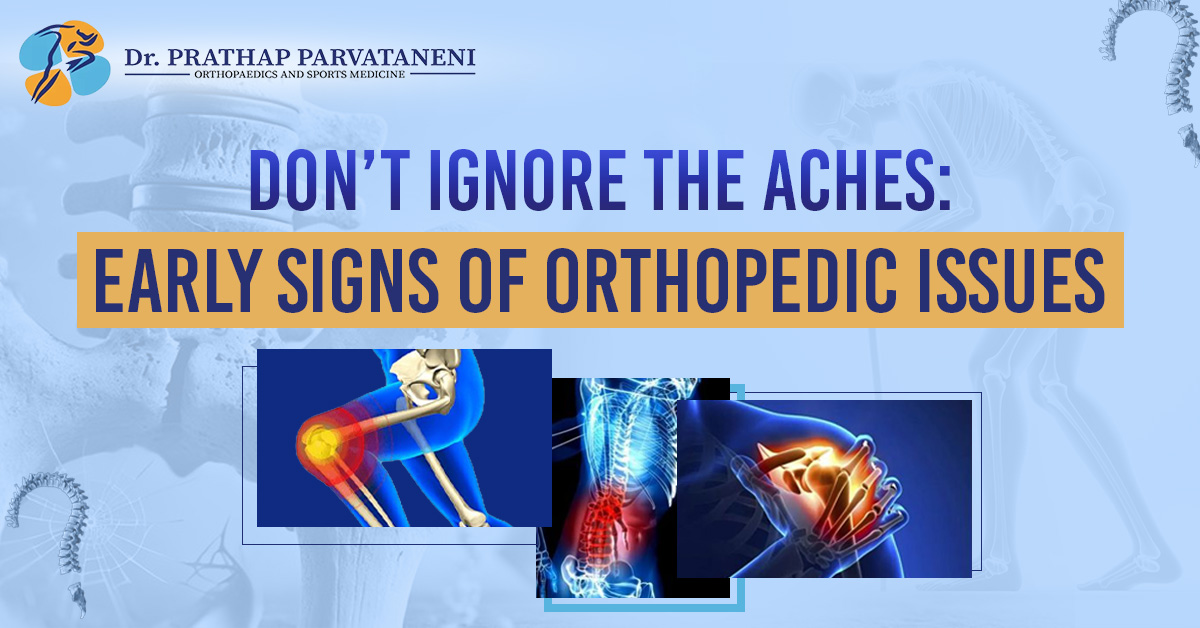
Knowing whether your knee discomfort is from everyday strain or arthritis can make a major difference in your long-term mobility and comfort. While mild pain might go away on its own, persistent or recurring pain deserves attention. 

Don’t ignore the signs your body is giving you. If knee pain is affecting your daily life, the specialists at Dr. Pratha Orthocare are here to help. With expert diagnosis, personalized treatment plans, and advanced orthopedic care, we aim to get you back to an active, pain-free lifestyle. 
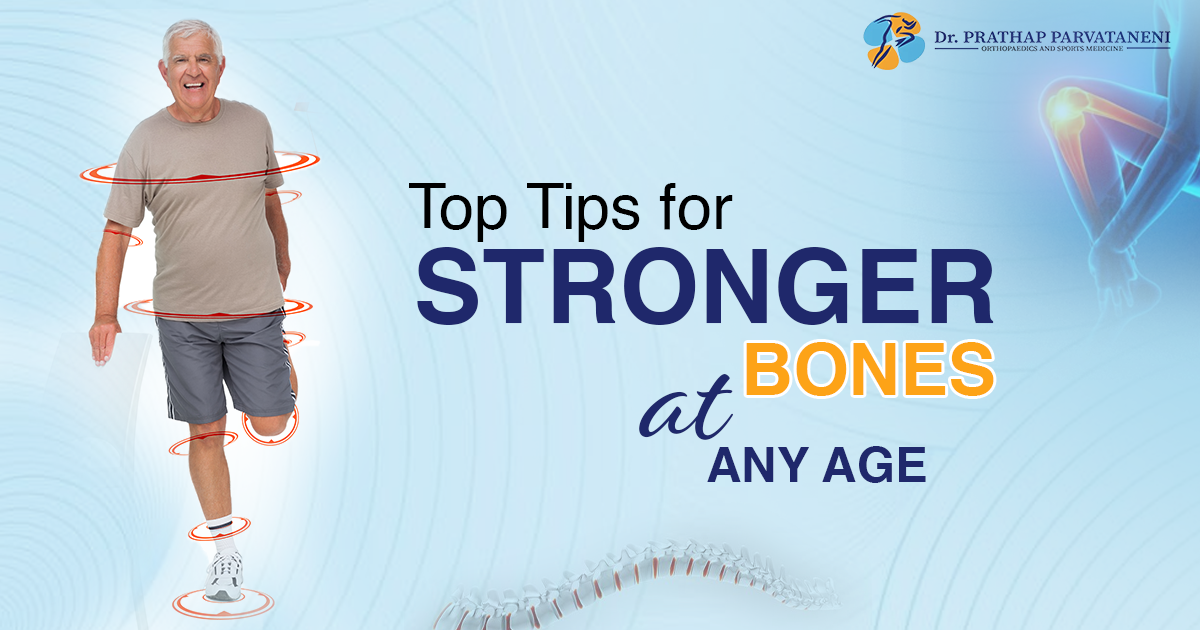
Maintaining strong and healthy bones is essential for mobility, balance, and overall quality of life. As we age, the risk of bone-related conditions such as osteoporosis increases, making bone health a critical concern. While factors like genetics, physical activity, and nutrition are well-known contributors to bone strength, one often overlooked aspect is weight management. Your body weight—whether too low or too high—can significantly affect your skeletal system. In this article, we explore the impact of weight management on bone health and practical strategies to protect your bones for the long term.  

Understanding Bone Health  

Bones are living tissue that continuously rebuilds and remodels itself throughout life. Peak bone mass is typically achieved in your 20s, after which bone breakdown gradually begins to outpace bone formation. The rate of this decline can be influenced by lifestyle factors, including physical activity, diet, and body weight. Poor bone health can lead to conditions such as osteoporosis, fractures, and reduced mobility.  

How Excess Weight Affects Bones  

Being overweight or obese was once thought to protect against bone loss due to increased bone density from carrying extra body weight. However, recent research shows that excess weight—particularly in the form of visceral fat—may harm bones over time. 

1. Increased Joint Stress 

Extra weight puts mechanical stress on weight-bearing joints such as the knees, hips, and spine. This can accelerate the breakdown of cartilage and lead to joint disorders like osteoarthritis. Though osteoarthritis primarily affects joints rather than bones, it still contributes to reduced mobility, which can indirectly affect bone strength through decreased activity.  

2. Inflammation and Hormonal Effects 

Fat tissue, especially abdominal fat, produces inflammatory cytokines that may disrupt the balance between bone formation and resorption. Chronic inflammation has been linked to lower bone density and increased fracture risk. Additionally, obesity can alter hormone levels—such as estrogen and leptin—that play important roles in bone remodeling.  

3. Risk of Falls 

Carrying excess weight can impair balance, coordination, and mobility, all of which increase the risk of falls. Falls are one of the leading causes of fractures, especially in older adults. 

How Low Body Weight Affects Bone Health  

Just as being overweight poses risks, being underweight can also be harmful to bones. Low body weight is a well-documented risk factor for osteoporosis and fractures.  

  1. Lower Bone Density 

People with low body mass index (BMI) tend to have lower bone mineral density (BMD), making their bones more fragile and prone to fractures.  

  1. Nutrient Deficiencies 

Underweight individuals may not consume enough calories or nutrients, including calcium and vitamin D, which are essential for bone growth and maintenance.  

  1. Hormonal Imbalance 

Severely low body weight can lead to disruptions in sex hormones like estrogen and testosterone, both of which are crucial for bone health. In women, this can result in amenorrhea (absence of menstruation), which is strongly associated with bone loss. 

Finding the Right Balance 

The key to protecting bone health is maintaining a healthy weight—not too high, and not too low. Here are some ways to support both weight management and bone health: 

1. Balanced Nutrition 
  • Ensure adequate intake of calcium (found in dairy products, leafy greens, fortified foods) and vitamin D (from sunlight, fatty fish, fortified milk). 
  • Include protein to support muscle and bone mass. 
  • Limit processed foods and excess sugar, which can promote inflammation. 
2. Regular Exercise 
  • Weight-bearing exercises (like walking, jogging, or dancing) stimulate bone formation. 
  • Strength training increases muscle mass, supports joints, and improves balance. 
  • Avoid sedentary habits, which can contribute to both weight gain and bone loss. 
3. Monitor Your Weight 
  • Regular check-ups with your physician or orthopedic doctor can help track your weight and assess bone health, especially if you have a history of fractures or risk factors for osteoporosis. 
4. Avoid Smoking and Limit Alcohol 
  • Both smoking and excessive alcohol consumption are linked to lower bone density and increased fracture risk. 


Conclusion 

Weight management is more than just a matter of appearance or cardiovascular health—it plays a vital role in maintaining strong and resilient bones. Both excessive weight and being underweight can negatively affect bone density and increase the risk of injury. By adopting a balanced lifestyle that includes proper nutrition, regular physical activity, and routine medical check-ups, individuals can support optimal bone health throughout their lives. If you’re concerned about your bone strength or body weight, consulting with an orthopedic doctor or a specialist in bone metabolism can provide personalized strategies to maintain lifelong skeletal health.