Tips to Prevent Sports Injuries for Amateur Athletes 

Sports doctor in Hyderabad

Whether you’re playing weekend cricket, hitting the gym after work, or training for your first marathon, staying active is great for your health. But for many amateur athletes, injuries can quickly turn enthusiasm into frustration. The good news is that most sports injuries are preventable with the right habits and awareness. 

Here’s a practical, up-to-date guide to help you stay injury-free while enjoying your sport. 

1. Warm-Up Is Non-Negotiable 

One of the biggest mistakes amateur athletes make is skipping warm-ups. A proper warm-up prepares your muscles, joints, and heart for physical activity. 

Instead of jumping straight into intense movement, spend at least 10–15 minutes on dynamic exercises like: 

  • Light jogging  
  • Arm circles  
  • Leg swings  
  • Mobility drills  

This improves blood flow and reduces the risk of strains and tears. 

2. Focus on Strength, Not Just Skill 

Many people focus only on playing their sport but ignore strength training. Weak muscles and imbalances are a major cause of injuries. 

Incorporate: 

  • Core workouts for stability  
  • Strength training for major muscle groups  
  • Resistance exercises for joint support  

A stronger body can handle stress better and recover faster. 

3. Don’t Ignore Recovery Days 

Rest is just as important as training. Overtraining is a growing issue, especially with the rise of fitness challenges and social media trends pushing daily workouts. 

Your body needs time to repair and rebuild. Without recovery: 

  • Muscles fatigue faster  
  • Injury risk increases  
  • Performance drops  

Aim for at least 1–2 rest days per week and prioritize good sleep. 

4. Use Proper Technique 

Bad form is a silent injury trigger. Whether you’re lifting weights, running, or playing a sport, incorrect technique puts unnecessary stress on your body. 

If you’re unsure: 

  • Work with a coach or trainer  
  • Record yourself to check posture  
  • Start slow and build gradually  

Good technique not only prevents injuries but also improves performance. 

5. Invest in the Right Gear 

Using the wrong shoes or equipment can lead to avoidable injuries. 

For example: 

  • Running shoes should match your gait  
  • Cricket or football gear should provide proper support  
  • Gym equipment should be used correctly  

Think of gear as protection, not just an accessory. 

6. Listen to Your Body 

Pain is not something to push through blindly. There’s a difference between muscle soreness and actual injury. 

Watch out for: 

  • Sharp or persistent pain  
  • Swelling or stiffness  
  • Reduced range of motion  

Ignoring early signs can turn a minor issue into a long-term injury. 

7. Stay Hydrated and Eat Smart 

Hydration and nutrition are often overlooked but play a huge role in injury prevention. 

  • Dehydration can cause cramps and fatigue  
  • Lack of proper nutrients slows recovery  
  • Protein helps muscle repair  

A balanced diet with enough water intake keeps your body functioning at its best. 

8. Follow a Gradual Progression 

One of the biggest injury trends today is doing “too much too soon.” Whether it’s lifting heavier weights or increasing running distance, sudden jumps can overload your body. 

Follow the 10% rule: 

  • Increase intensity or duration gradually  
  • Avoid sudden spikes in activity  

Consistency beats intensity when it comes to long-term fitness. 

9. Stretch and Improve Flexibility 

Tight muscles limit movement and increase injury risk. Regular stretching helps maintain flexibility and joint health. 

Include: 

  • Post-workout static stretching  
  • Yoga or mobility sessions  
  • Foam rolling for muscle release  

Flexible muscles are less likely to tear under stress. 

10. Get Professional Guidance When Needed 

If you’re serious about staying active, it’s worth consulting a professional when needed. Early diagnosis and proper guidance can prevent small issues from becoming major problems. 

If you experience recurring pain or want expert advice, consulting a sports doctor in hyderabad can help you train smarter and stay injury-free. 

Conclusion 

Sports and fitness should enhance your life, not sideline you with injuries. By building smart habits like proper warm-ups, strength training, recovery, and listening to your body, you can significantly reduce your risk. 

If you’re looking for expert care and personalized guidance, drprathaportho is a trusted name to consider. With professional expertise and a focus on sports-related injuries, they can help you recover faster and perform better. Whether you’re dealing with a minor strain or a recurring issue, consulting a sports doctor in hyderabad ensures you stay on track and continue doing what you love without setbacks. 
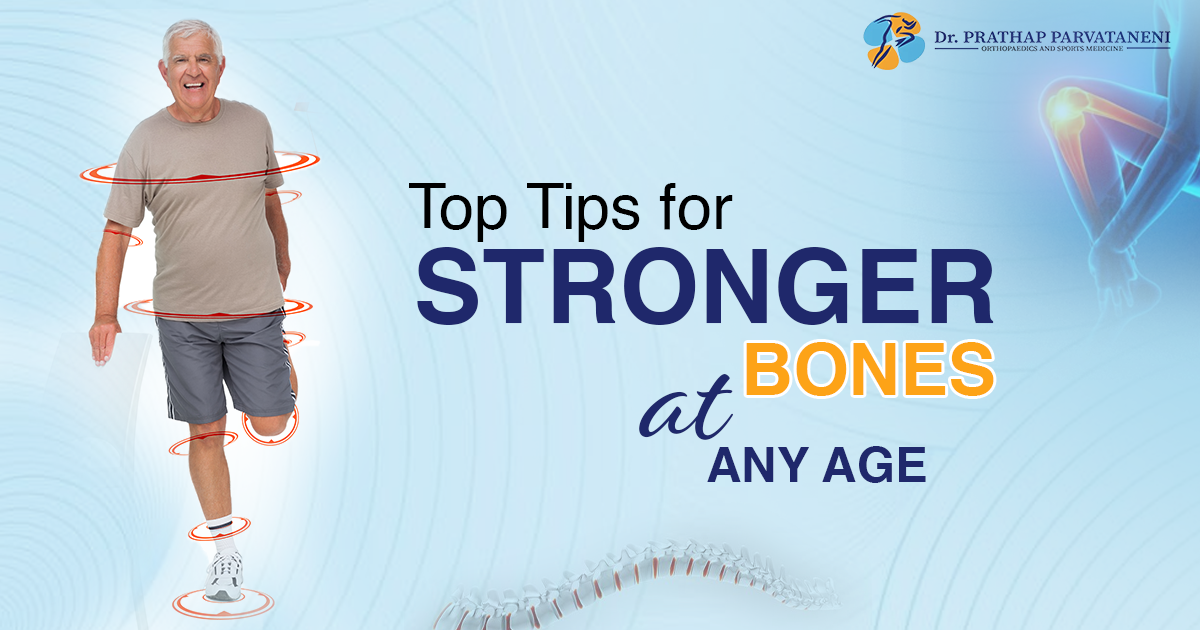
Maintaining strong and healthy bones is essential for mobility, balance, and overall quality of life. As we age, the risk of bone-related conditions such as osteoporosis increases, making bone health a critical concern. While factors like genetics, physical activity, and nutrition are well-known contributors to bone strength, one often overlooked aspect is weight management. Your body weight—whether too low or too high—can significantly affect your skeletal system. In this article, we explore the impact of weight management on bone health and practical strategies to protect your bones for the long term.  

Understanding Bone Health  

Bones are living tissue that continuously rebuilds and remodels itself throughout life. Peak bone mass is typically achieved in your 20s, after which bone breakdown gradually begins to outpace bone formation. The rate of this decline can be influenced by lifestyle factors, including physical activity, diet, and body weight. Poor bone health can lead to conditions such as osteoporosis, fractures, and reduced mobility.  

How Excess Weight Affects Bones  

Being overweight or obese was once thought to protect against bone loss due to increased bone density from carrying extra body weight. However, recent research shows that excess weight—particularly in the form of visceral fat—may harm bones over time. 

1. Increased Joint Stress 

Extra weight puts mechanical stress on weight-bearing joints such as the knees, hips, and spine. This can accelerate the breakdown of cartilage and lead to joint disorders like osteoarthritis. Though osteoarthritis primarily affects joints rather than bones, it still contributes to reduced mobility, which can indirectly affect bone strength through decreased activity.  

2. Inflammation and Hormonal Effects 

Fat tissue, especially abdominal fat, produces inflammatory cytokines that may disrupt the balance between bone formation and resorption. Chronic inflammation has been linked to lower bone density and increased fracture risk. Additionally, obesity can alter hormone levels—such as estrogen and leptin—that play important roles in bone remodeling.  

3. Risk of Falls 

Carrying excess weight can impair balance, coordination, and mobility, all of which increase the risk of falls. Falls are one of the leading causes of fractures, especially in older adults. 

How Low Body Weight Affects Bone Health  

Just as being overweight poses risks, being underweight can also be harmful to bones. Low body weight is a well-documented risk factor for osteoporosis and fractures.  

  1. Lower Bone Density 

People with low body mass index (BMI) tend to have lower bone mineral density (BMD), making their bones more fragile and prone to fractures.  

  1. Nutrient Deficiencies 

Underweight individuals may not consume enough calories or nutrients, including calcium and vitamin D, which are essential for bone growth and maintenance.  

  1. Hormonal Imbalance 

Severely low body weight can lead to disruptions in sex hormones like estrogen and testosterone, both of which are crucial for bone health. In women, this can result in amenorrhea (absence of menstruation), which is strongly associated with bone loss. 

Finding the Right Balance 

The key to protecting bone health is maintaining a healthy weight—not too high, and not too low. Here are some ways to support both weight management and bone health: 

1. Balanced Nutrition 
  • Ensure adequate intake of calcium (found in dairy products, leafy greens, fortified foods) and vitamin D (from sunlight, fatty fish, fortified milk). 
  • Include protein to support muscle and bone mass. 
  • Limit processed foods and excess sugar, which can promote inflammation. 
2. Regular Exercise 
  • Weight-bearing exercises (like walking, jogging, or dancing) stimulate bone formation. 
  • Strength training increases muscle mass, supports joints, and improves balance. 
  • Avoid sedentary habits, which can contribute to both weight gain and bone loss. 
3. Monitor Your Weight 
  • Regular check-ups with your physician or orthopedic doctor can help track your weight and assess bone health, especially if you have a history of fractures or risk factors for osteoporosis. 
4. Avoid Smoking and Limit Alcohol 
  • Both smoking and excessive alcohol consumption are linked to lower bone density and increased fracture risk. 


Conclusion 

Weight management is more than just a matter of appearance or cardiovascular health—it plays a vital role in maintaining strong and resilient bones. Both excessive weight and being underweight can negatively affect bone density and increase the risk of injury. By adopting a balanced lifestyle that includes proper nutrition, regular physical activity, and routine medical check-ups, individuals can support optimal bone health throughout their lives. If you’re concerned about your bone strength or body weight, consulting with an orthopedic doctor or a specialist in bone metabolism can provide personalized strategies to maintain lifelong skeletal health.